
Writing
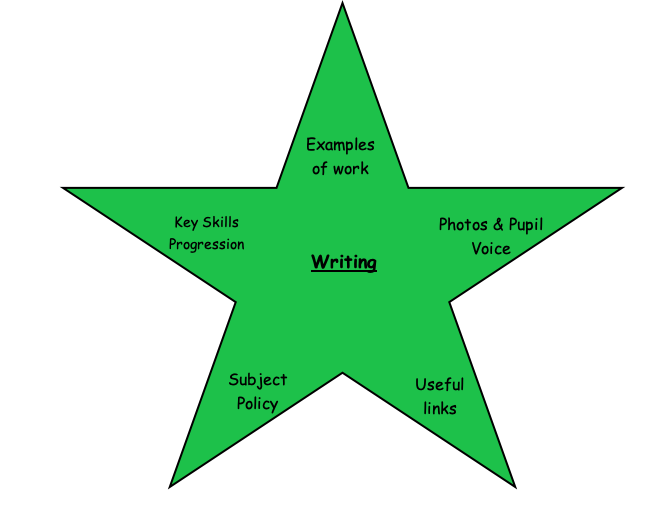
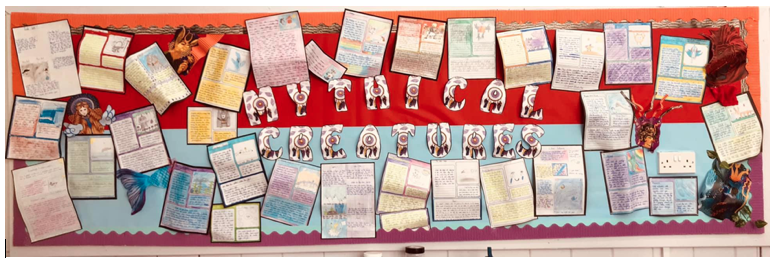
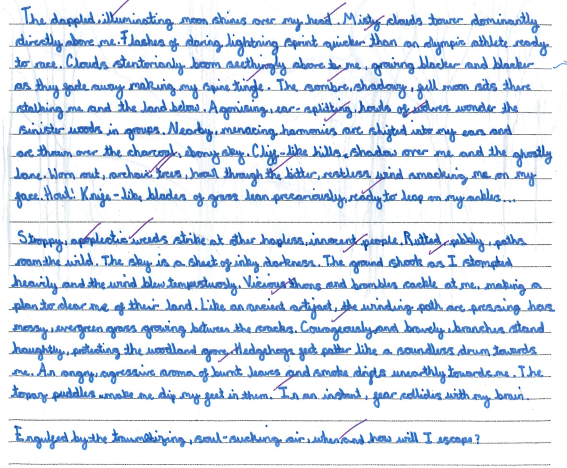
We aim to create fluent and confident writers who enjoy expressing themselves through writing for various purposes. Our writing is structured around high quality vocabulary texts which attract and engage our learners. These texts are chosen for their varying and high quality descriptive language which we immerse the children in. Reading informs our writing.
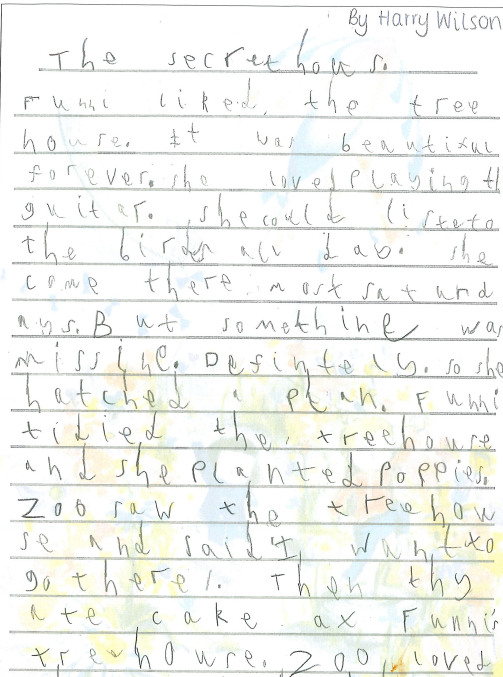
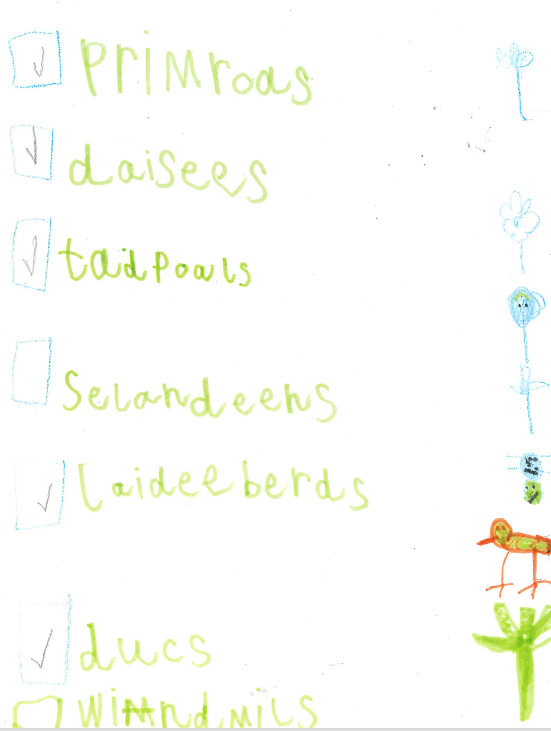
As soon as children begin their school journey, we encourage them to begin expressing themselves through writing which can begin as mark making. In our Reception Class opportunities are given daily to write. This will progress over the year into more formalised writing groups and sometimes whole class writing sessions.
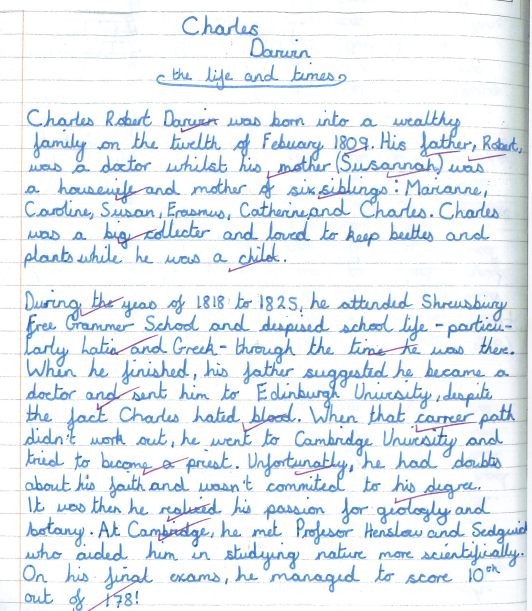
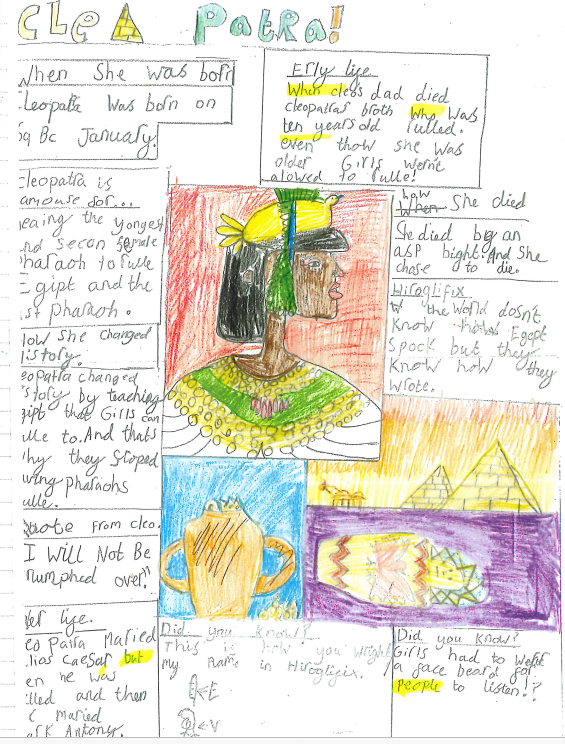
As children move up through the school, they are exposed to more formal writing lessons where they explore a range of different text types and genres identifying their features and the register of the language used in them.
Star challenges are used in all writing lessons to ensure challenge and support at all levels for all children.
Grammar is embedded within our writing lessons. Spelling is taught discretely and is monitored through the children’s writing. In Reception and KS1 spelling is taught through daily phonics using ‘Unlocking Letters and Sounds’.
Spellings (as opposed to phonics) is taught throughout KS2 and from Spring term onwards in Year 2 using Unlocking Letters and Sounds which ensure systematic coverage and progression. Spellings is taught daily in class focusing on spelling rules and patterns as well as exceptions.
The children are assessed regularly to ensure that they are understanding and applying rules and exceptions. This informs teachers of the progress and any need for intervention. The national curriculum is used to form the basis for the teaching of spelling from Year 2 upwards.
Please the progression documents for each year group below.
Handwriting
The importance of handwriting in developing children’s writing cannot be overstated. Handwriting at Ashton Keynes is taught through Unlocking Letters and Sounds. Children are taught handwriting precisely, in a clearly sequenced progression, starting from reception, to support their gradual acquisition of skills. Teachers expect consistently high standards, making sure children practise handwriting regularly and consistently to develop and maintain fluency and legibility. Handwriting is taught to the whole class with individual support and intervention given if needed.